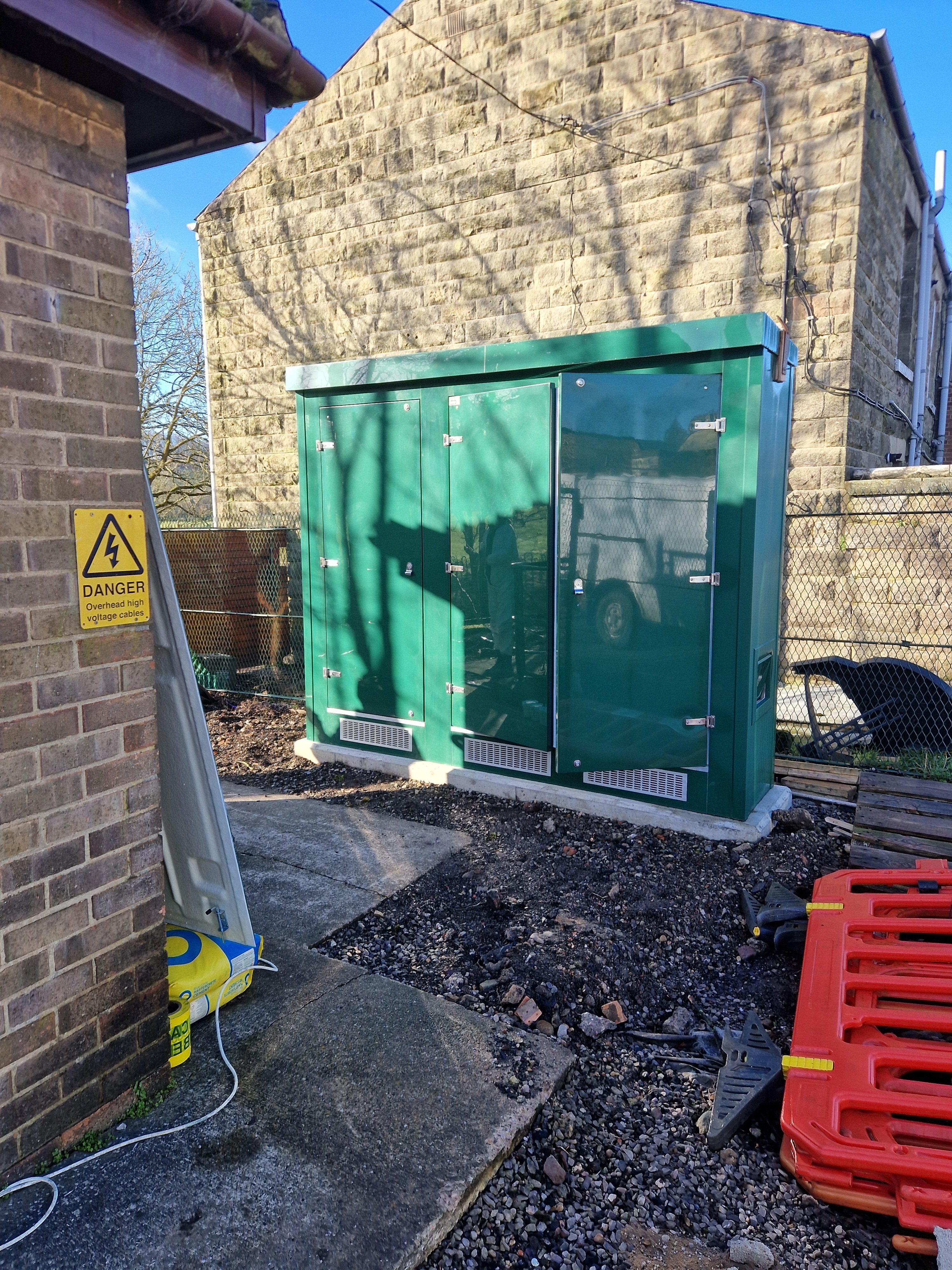
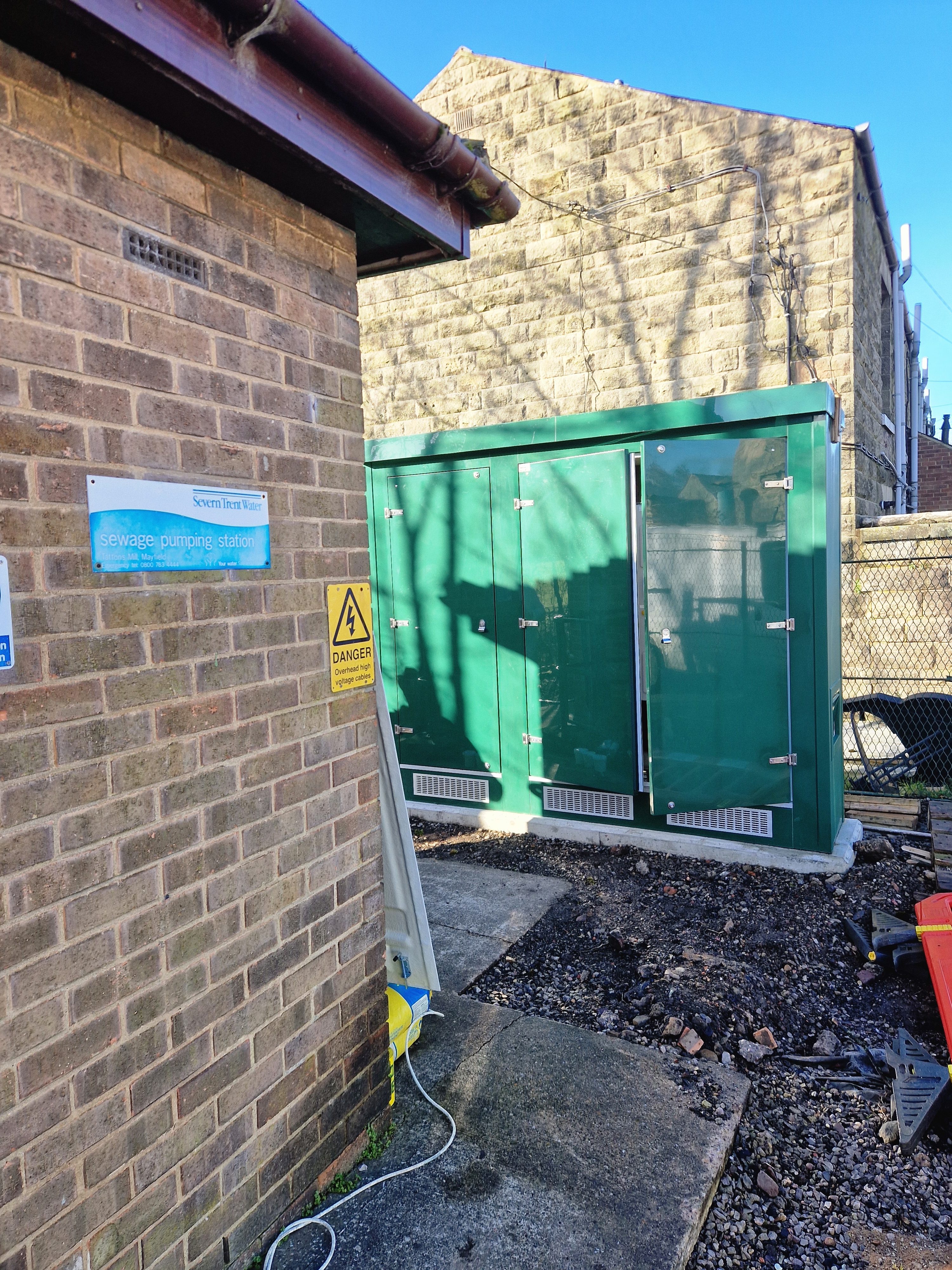
GRP enclosures for water treatment facilities must operate reliably in environments exposed to persistent moisture, corrosive atmospheres and public-facing locations. As a result, cabinets and kiosks used at water and wastewater sites require robust construction, chemical resistance and suitability for long-term outdoor service.
Exel Grp Ltd designs and manufactures GRP electrical cabinets and kiosks in the UK for infrastructure environments where durability, reliability and compliance are critical.
In practice, water treatment sites present environmental conditions that differ from standard industrial installations. Enclosures installed at these sites are commonly exposed to:
For this reason, enclosures must remain structurally sound and functionally reliable throughout an extended service life, often exceeding twenty years.
UK water authorities apply detailed technical standards to cabinets and kiosks installed across treatment works, pumping stations, and remote assets. Typically, these standards define expectations relating to environmental protection, corrosion resistance, fire behaviour, thermal performance, security and maintainability.
Rather than focusing on appearance, these requirements exist to ensure that enclosures provide a stable internal environment for electrical and control equipment under expected operating conditions.
For a wider industry context, organisations such as Water UK provide guidance on the structure and operating environment of the UK water sector.
The UK water industry widely uses Glass Reinforced Plastic (GRP) enclosures due to their resistance to corrosion, moisture ingress and chemical attack. When correctly specified and manufactured, GRP enclosures provide:
In wastewater applications in particular, GRP helps reduce long-term degradation risks often associated with painted or coated steel enclosures in corrosive environments.
Electrical equipment installed within cabinets and kiosks must operate within defined temperature limits to support reliability and service life. Therefore, enclosure design typically incorporates:
Thermal performance is treated as a fundamental design requirement, particularly where enclosures house MCCs, PLCs, variable speed drives or telemetry equipment.
Many water industry assets are located in publicly accessible or remote locations. Accordingly, enclosures must provide controlled access for authorised personnel while resisting unauthorised entry.
Where required, enclosure designs can be adapted to meet enhanced security expectations without compromising usability.
This approach aligns with the intent of UK water authority specifications while allowing project-specific adaptation.
Exel Grp manufactures a range of standard GRP cabinet sizes which can be adapted for water and wastewater projects. Standard formats can be modified to meet specific equipment layouts, site constraints and performance requirements.
Standard GRP enclosure sizes can be viewed here: standard GRP enclosure sizes.
For projects requiring non-standard dimensions or internal layouts, Exel Grp provides bespoke GRP enclosures supporting applications such as pumping stations, treatment works and remote control installations.
All enclosures are manufactured in the UK, supporting controlled production, consistent quality, shorter lead times and direct technical support. Exel Grp works with contractors, consultants and end users to ensure enclosures are appropriate for site conditions and project requirements.
For projects requiring GRP enclosures suitable for water and wastewater environments, Exel Grp can support early-stage discussions and specification review. Please contact our team